
एक संदेश छोड़ें
यदि आप हमारे उत्पादों में रुचि रखते हैं और अधिक विवरण जानना चाहते हैं, तो कृपया यहां एक संदेश छोड़ दें, हम जितनी जल्दी हो सके आपको जवाब देंगे।

विशिष्ट अनुप्रयोग परिदृश्य
पेरू के एंडीज पर्वतमाला में स्थित एक स्वर्ण खनन परियोजना के लिए 4,200 मीटर की ऊंचाई पर एक नए अपशिष्ट भंडारण संयंत्र (टीएसएफ) की आवश्यकता थी। अपशिष्ट घोल का पीएच मान 2.3 था और इसमें साइनाइड, आर्सेनिक और भारी धातुएं मौजूद थीं। इस संयंत्र में 250 मीटर लंबा एक बांध तटबंध शामिल था, जिसकी ढलान 1:2.5 (ऊर्ध्वाधर:क्षैतिज) के अनुपात में थी। ढलान स्थिरता के लिए 1.5 के सुरक्षा गुणांक के साथ संयंत्र का अनुमानित जीवनकाल 25 वर्ष था।
मुख्य चुनौती यह सुनिश्चित करना था कि एचडीपीई जियोमेम्ब्रेन बनाए रखेगा इंटरफ़ेस घर्षण अंतर्निहित जियोसिंथेटिक क्ले लाइनर (जीसीएल) और ऊपरी जियोटेक्सटाइल सुरक्षा परत के साथ, उच्च परिचालन तनाव के तहत अपरूपण विफलता को रोका जा सकता है।
सामग्री विनिर्देशन और इंटरफ़ेस परीक्षण: ASTM D5321
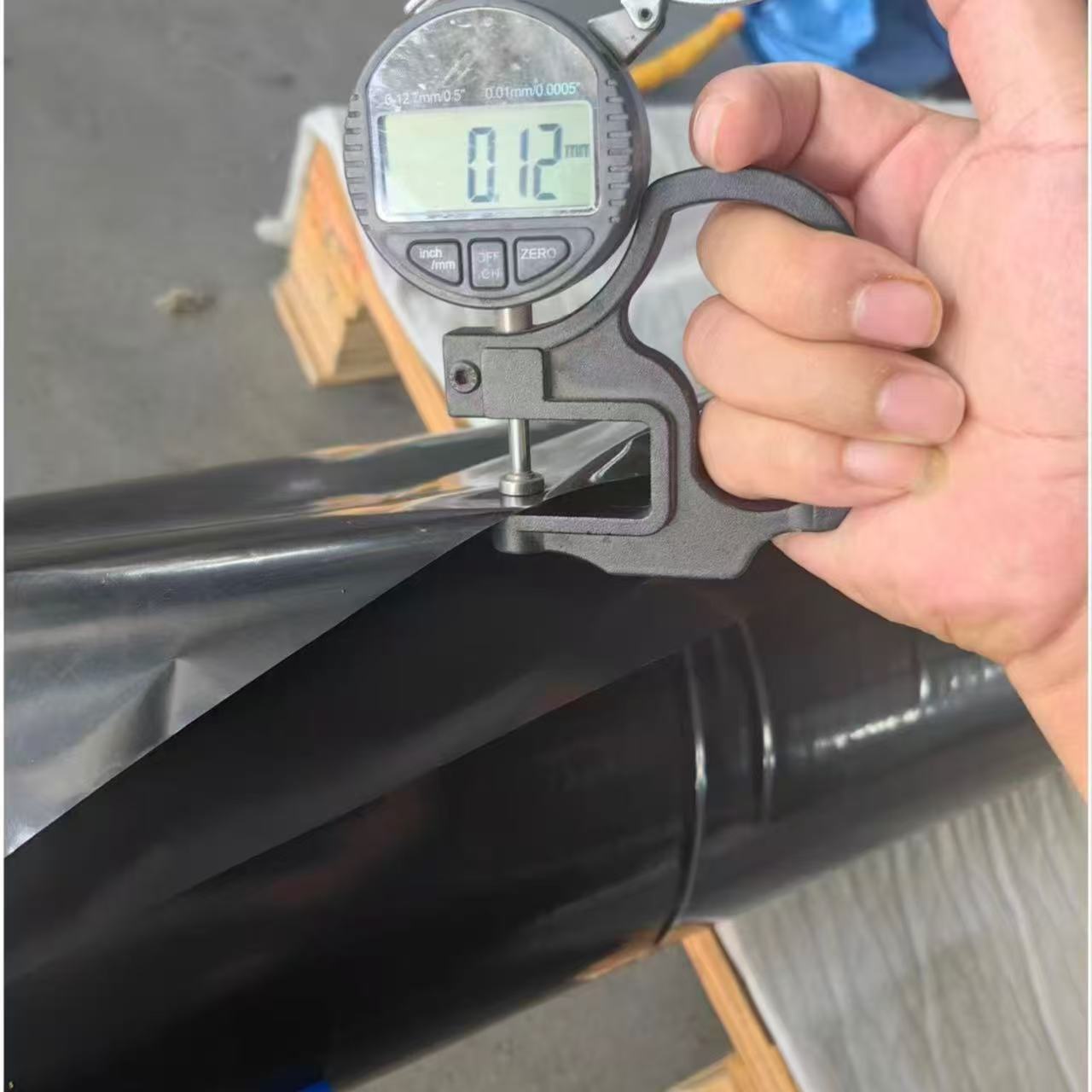
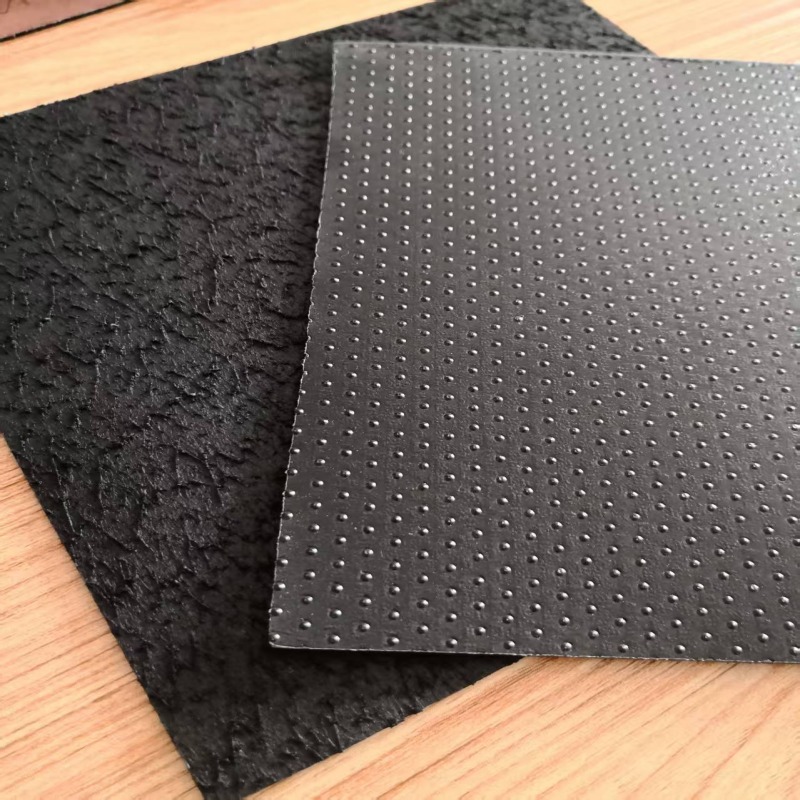
A 2.0 मिमी बनावट वाली एचडीपीई जियोमेम्ब्रेन चुना गया। बनावट वाली सतह को एक विधि के माध्यम से प्राप्त किया गया था। सह-एक्सट्रूज़न प्रक्रिया (दो तरफा बनावट)। इंटरफ़ेस अपरूपण शक्ति का निर्धारण निम्न द्वारा किया गया था। एएसटीएम डी5321 (बड़े पैमाने पर प्रत्यक्ष अपरूपण) परीक्षण:
इंटरफ़ेस जोड़ी
| अधिकतम घर्षण कोण (φ) | अवशिष्ट घर्षण कोण (φ) | परीक्षण मानक |
| बनावटयुक्त एचडीपीई / जीसीएल |
28°
| 24° | एएसटीएम डी5321 |
बनावटयुक्त एचडीपीई / नॉनवॉवन जियोटेक्सटाइल
| 30° | 27° | एएसटीएम डी5321 |
स्मूथ एचडीपीई / जीसीएल
| 18° | 14° | एएसटीएम डी5321 (नियंत्रण) |
चिकनी एचडीपीई की तुलना में बनावट वाली सतह ने अधिकतम घर्षण कोण को 55% से अधिक बढ़ा दिया, जिससे 1:2.5 के डिजाइन किए गए ढलान को 1.7 से अधिक का सुरक्षा गुणांक प्राप्त करने में मदद मिली।
रासायनिक प्रतिरोध परीक्षण: ASTM D5747 और EPA 9090
दीर्घकालिक रासायनिक अनुकूलता को सत्यापित करने के लिए, नमूनों का उपयोग किया जाता है। 2.0 मिमी बनावट वाली एचडीपीई जियोमेम्ब्रेन निम्नलिखित के अधीन किया गया:
120 दिनों के गहन अध्ययन के बाद के परिणाम:
स्थापना और ढलान एंकरेज: एएसटीएम डी7273
इसके बाद ढलान की स्थापना की गई। एएसटीएम डी7273 (जियोमेम्ब्रेन को एंकर करने के लिए मानक मार्गदर्शिका)। मुख्य विवरण:
तुलनात्मक विश्लेषण: ढलानों पर टेक्सचर्ड बनाम स्मूथ एचडीपीई
| पैरामीटर | टेक्सचर्ड एचडीपीई (2.0 मिमी) | स्मूथ एचडीपीई (2.0 मिमी) |
| पीक इंटरफ़ेस घर्षण कोण (जीसीएल के साथ) | 28° | 18° |
| अनुमेय ढलान कोण (2:1 ढलान का उदाहरण) | 1:2.5 (21.8°) स्थिर | 1:2.5 बिना लंगर के अस्थिर |
| लंगर की आवश्यकता | मानक खाई | अतिरिक्त यांत्रिक लंगर की आवश्यकता है |
| फिसलने से सुरक्षा कारक | 1.7 | 1.1 |
| सामग्री लागत | 15-20% अधिक | आधारभूत |
| कुल स्थापना लागत | 10% अधिक | आधारभूत स्तर, लेकिन उच्च जोखिम के साथ |
निष्कर्ष:
रासायनिक रूप से आक्रामक वातावरण में तीव्र ढलान वाले अनुप्रयोगों के लिए, बनावटयुक्त एचडीपीई जियोमेम्ब्रेन यह महज एक विकल्प नहीं बल्कि इंजीनियरिंग की आवश्यकता है। एएसटीएम डी5321. इंटरफ़ेस परीक्षण डेटा ढलान स्थिरता डिजाइन के लिए आवश्यक मात्रात्मक साक्ष्य प्रदान करता है, जबकि ईपीए 9090 और एएसटीएम डी5747 रासायनिक प्रतिरोध परीक्षण दीर्घकालिक प्रदर्शन को प्रमाणित करता है। 2.0 मिमी बनावट वाली एचडीपीई जियोमेम्ब्रेन व्यापक के साथ सीक्यूए और तृतीय-पक्ष परीक्षण, अपशिष्ट भंडारण सुविधाओं की उनकी संपूर्ण डिजाइन अवधि के लिए अखंडता सुनिश्चित करता है।
एक संदेश छोड़ें
Scan to Wechat/Whatsapp :



 English
 Français
 Deutsch
 Русский
 Español
 Português
 عربي
عربي Tiếng Việt
 Indonesia
 हिन्दी



 IPv6 नेटवर्क समर्थित