
एक संदेश छोड़ें
यदि आप हमारे उत्पादों में रुचि रखते हैं और अधिक विवरण जानना चाहते हैं, तो कृपया यहां एक संदेश छोड़ दें, हम जितनी जल्दी हो सके आपको जवाब देंगे।
संयुक्त अरब अमीरात के अबू धाबी में स्थित अल तावीला एल्युमिना रिफाइनरी एक बड़े पैमाने पर एल्युमिना उत्पादन संयंत्र है। शोधन प्रक्रिया में बॉक्साइट अवशेष उत्पन्न होता है, जिसके लिए एक समर्पित भंडारण क्षेत्र और अनियंत्रित रिसाव के जोखिम को कम करने के लिए एक विशेष नियंत्रण प्रणाली की आवश्यकता होती है।
इस परियोजना में बॉक्साइट अवशेष भंडारण क्षेत्र (बीआरएसए) शामिल है, जिसे औद्योगिक अवशेषों के दीर्घकालिक भंडारण के लिए डिज़ाइन किया गया है। चूंकि यह संयंत्र संयुक्त अरब अमीरात की गर्म और शुष्क जलवायु में संचालित होता है और संग्रहित अवशेष अत्यधिक क्षारीय वातावरण बनाते हैं, इसलिए लाइनर प्रणाली को विश्वसनीय रिसाव नियंत्रण और उपयुक्त रासायनिक प्रतिरोध प्रदान करना आवश्यक है।
सार्वजनिक रूप से उपलब्ध परियोजना जानकारी के अनुसार, एचडीपीई जियोमेम्ब्रेन बॉक्साइट अवशेष भंडारण क्षेत्र के लिए उपयोग की जाने वाली रोकथाम प्रणाली के एक महत्वपूर्ण घटक के रूप में।
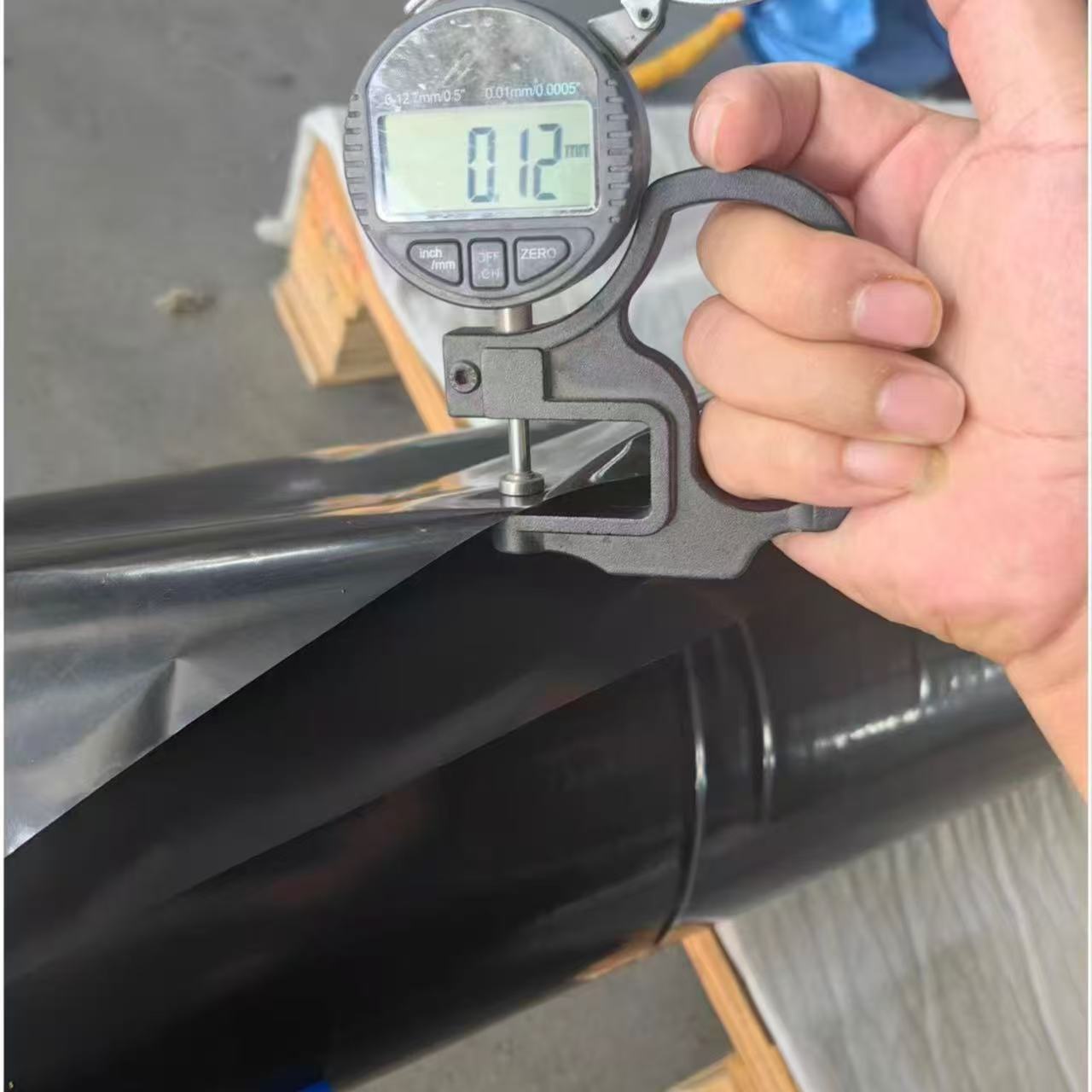
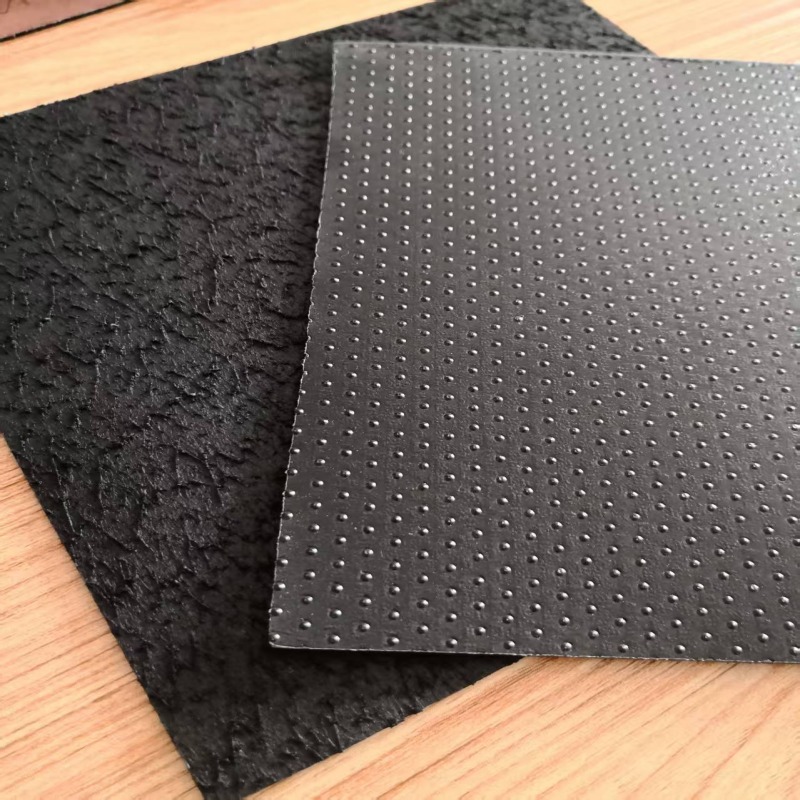
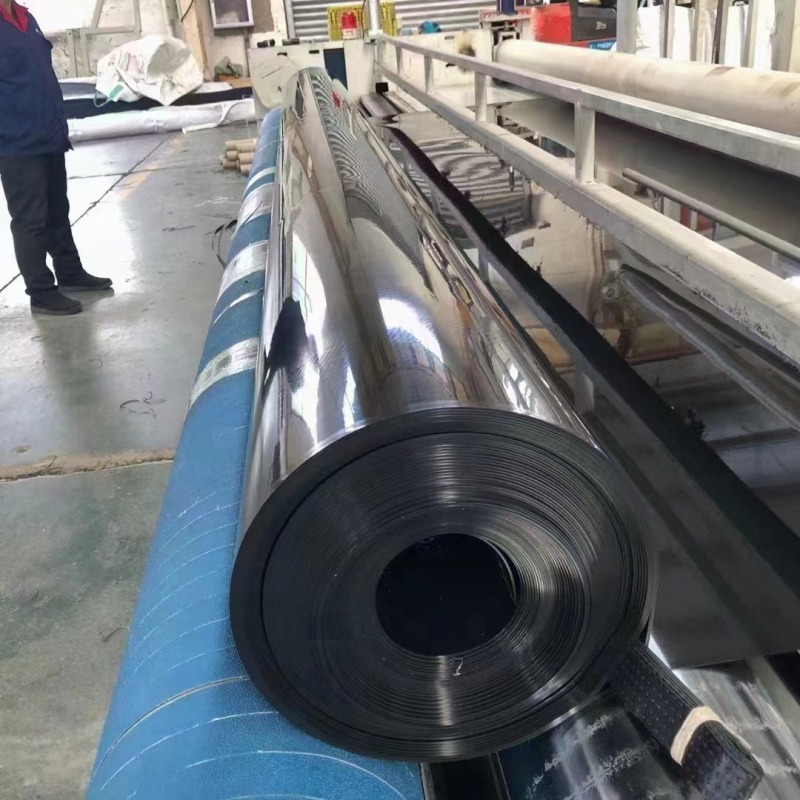
प्रकाशित परियोजना केस जानकारी के अनुसार, परियोजना ने उपयोग किया 2.0 मिमी एचडीपीई जियोमेम्ब्रेनइसमें चिकनी और बनावट वाली जियोमेम्ब्रेन उत्पाद दोनों शामिल हैं। रिपोर्ट की गई मात्रा लगभग 651,263 वर्ग मीटर एचडीपीई जियोमेम्ब्रेन और 154,200 वर्ग मीटर थी। बनावटयुक्त एचडीपीई जियोमेम्ब्रेन।
यह बड़ी मात्रा भंडारण सुविधा के पैमाने और उस विशाल क्षेत्र को दर्शाती है जिसे लाइनिंग करने की आवश्यकता थी।
एचडीपीई जियोमेम्ब्रेन का प्राथमिक कार्य संग्रहित अवशेष और नीचे की जमीन के बीच कम पारगम्यता वाली बाधा उत्पन्न करना है। तरल पदार्थों के प्रवाह को सीमित करके, यह परत निर्माण किए गए भंडारण क्षेत्र के भीतर नियंत्रित भंडारण बनाए रखती है।
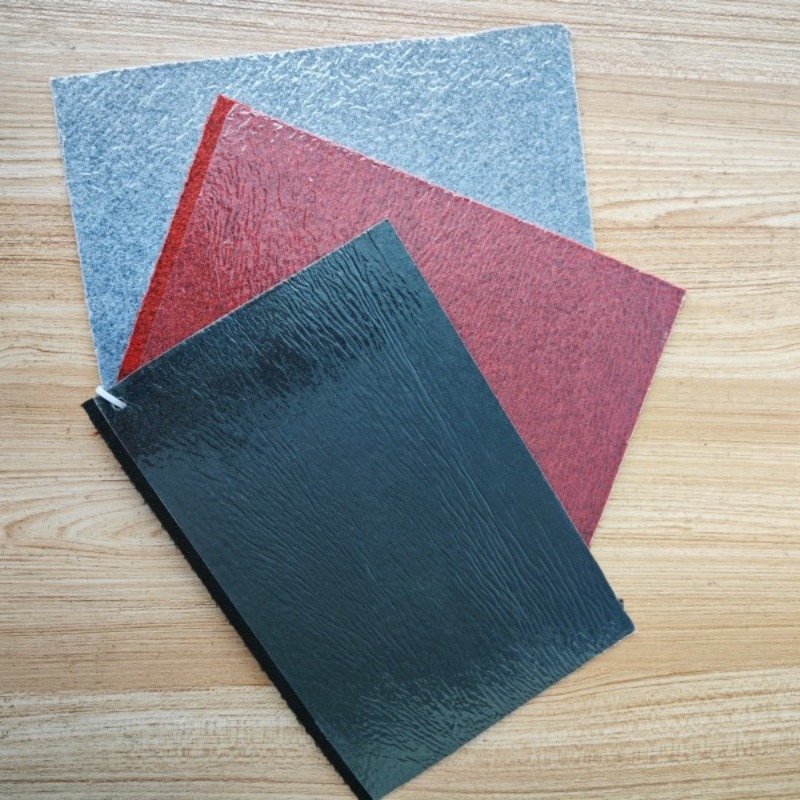
चिकनी और बनावट वाली भू-झिल्लियाँ यह विभिन्न इंजीनियरिंग आवश्यकताओं को भी पूरा कर सकता है। चिकनी सतहें पैनल निर्माण और वेल्डिंग के लिए आम तौर पर सुविधाजनक होते हैं, जबकि बनावट वाली सतहें यह उन स्थानों पर उच्चतर इंटरफ़ेस घर्षण प्रदान कर सकता है जहां ढलान स्थिरता महत्वपूर्ण है।
संयुक्त अरब अमीरात में जियोसिंथेटिक लाइनर सिस्टम के लिए कई चुनौतियां मौजूद हैं। कई स्थितियां निर्माण सामग्री पर अतिरिक्त दबाव डाल सकती हैं, जैसे कि उच्च तापमान, तीव्र सौर विकिरण और शुष्क परिस्थितियां।
अल तावीलाह परियोजना के लिए रासायनिक परिस्थितियाँ एक और महत्वपूर्ण विचारणीय विषय हैं। सार्वजनिक रूप से उपलब्ध परियोजना जानकारी के अनुसार, यहाँ बॉक्साइट अवशेषों का वातावरण है। लगभग 12.5 का पीएच मान, यह अत्यधिक क्षारीय स्थिति को दर्शाता है।
एचडीपीई जियोमेम्ब्रेन का उपयोग जटिल रोकथाम अनुप्रयोगों में व्यापक रूप से किया जाता है क्योंकि यह कम पारगम्यता को अच्छे यांत्रिक गुणों और रासायनिक प्रतिरोध के साथ जोड़ता है।
हालांकि, मध्य पूर्व परियोजनाओं में सही जियोमेम्ब्रेन का चयन करने के लिए मानक मोटाई चुनने से कहीं अधिक बातों पर विचार करना आवश्यक है। सामग्री का निर्माण, कार्बन ब्लैक की मात्रा, एंटीऑक्सीडेंट पैकेज, मोटाई, सतह संरचना, वेल्डिंग प्रदर्शन और अपेक्षित सेवा स्थितियों जैसे कई कारकों पर विचार किया जाना चाहिए।
अल तावीला परियोजना यह दर्शाती है कि गर्म और रासायनिक रूप से चुनौतीपूर्ण वातावरण के लिए रोकथाम प्रणालियों को डिजाइन करते समय ये कारक विशेष रूप से महत्वपूर्ण क्यों हैं।
उच्च गुणवत्ता वाली एचडीपीई जियोमेम्ब्रेन को भी अपेक्षित प्रदर्शन प्राप्त करने के लिए उचित स्थापना की आवश्यकता होती है।
स्थापना प्रक्रिया आम तौर पर इससे शुरू होती है सबग्रेड की तैयारी। नींव को ठीक से संकुचित, समतल किया जाना चाहिए और लाइनर को नुकसान पहुँचाने वाली नुकीली वस्तुओं को हटा दिया जाना चाहिए। फिर, अनुमोदित लेआउट के अनुसार जियोमेम्ब्रेन पैनलों को लगाया जाता है। थर्मल वेल्डिंग से पहले पर्याप्त ओवरलैप बनाए रखना चाहिए।
फील्ड सीम के लिए, वेल्डिंग पैरामीटर को सामग्री विनिर्देश और साइट के तापमान के अनुसार समायोजित किया जाना चाहिए। उत्पादन वेल्डिंग से पहले उपयुक्त तापमान, गति और दबाव सेटिंग्स की पुष्टि करने के लिए ट्रायल वेल्ड की सलाह दी जाती है। वेल्डिंग के बाद, परियोजना की गुणवत्ता नियंत्रण आवश्यकताओं को पूरा करने के लिए सीम का निरीक्षण और परीक्षण किया जाना चाहिए। आवश्यकतानुसार दृश्य निरीक्षण, गैर-विनाशकारी परीक्षण और विनाशकारी सीम परीक्षण का उपयोग किया जा सकता है।
किसी बड़े कंटेनमेंट प्लांट के लिए, जियोमेम्ब्रेन की गुणवत्ता के साथ-साथ इंस्टॉलेशन की गुणवत्ता भी उतनी ही महत्वपूर्ण होती है। एक अच्छी तरह से डिज़ाइन किए गए लाइनर सिस्टम के लिए उपयुक्त सामग्री और नियंत्रित निर्माण प्रक्रियाओं दोनों की आवश्यकता होती है।
अल तावीलाह परियोजना मध्य पूर्व में अन्य खनन और औद्योगिक नियंत्रण परियोजनाओं के लिए उपयोगी अनुभव प्रदान करती है।
पहला पाठ यह महत्वपूर्ण है कि स्थल की परिस्थितियाँ ही सामग्री चयन का निर्धारण करें। उच्च तापमान और तीव्र यूवी विकिरण के लिए उपयुक्त सामग्री निर्माण और विशिष्टताओं की आवश्यकता होती है, जबकि क्षारीय या रासायनिक रूप से आक्रामक सामग्रियों के लिए उपयुक्त रासायनिक प्रतिरोध की आवश्यकता होती है।
दूसरा पाठ सतह की संरचना मायने रखती है। अलग-अलग स्थल स्थितियों के अनुरूप चिकनी और बनावट वाली जियोमेम्ब्रेन का चयन किया जा सकता है, खासकर जहां ढलान और इंटरफ़ेस घर्षण महत्वपूर्ण हों।
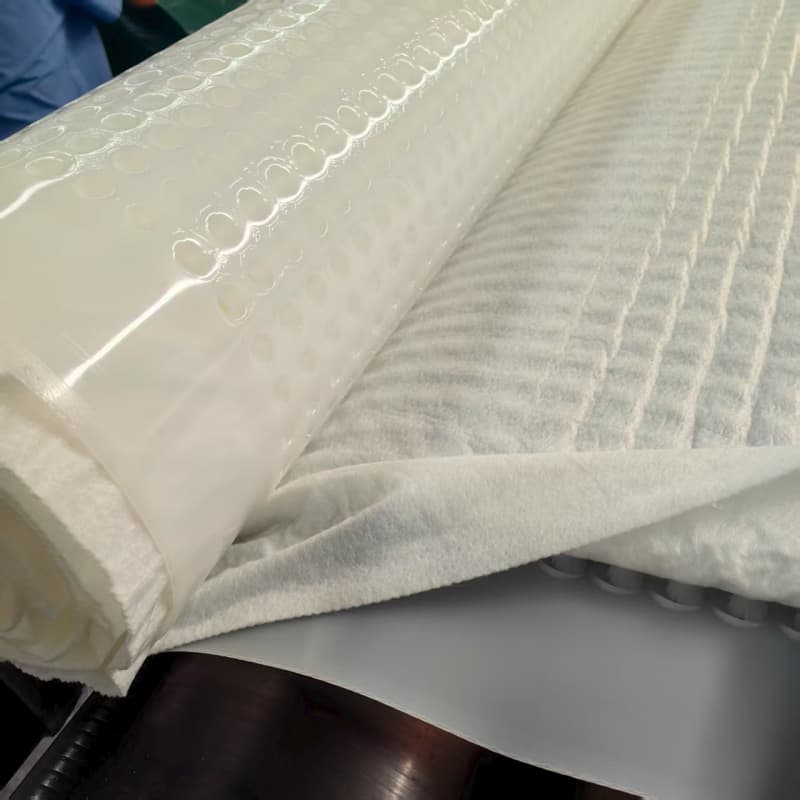
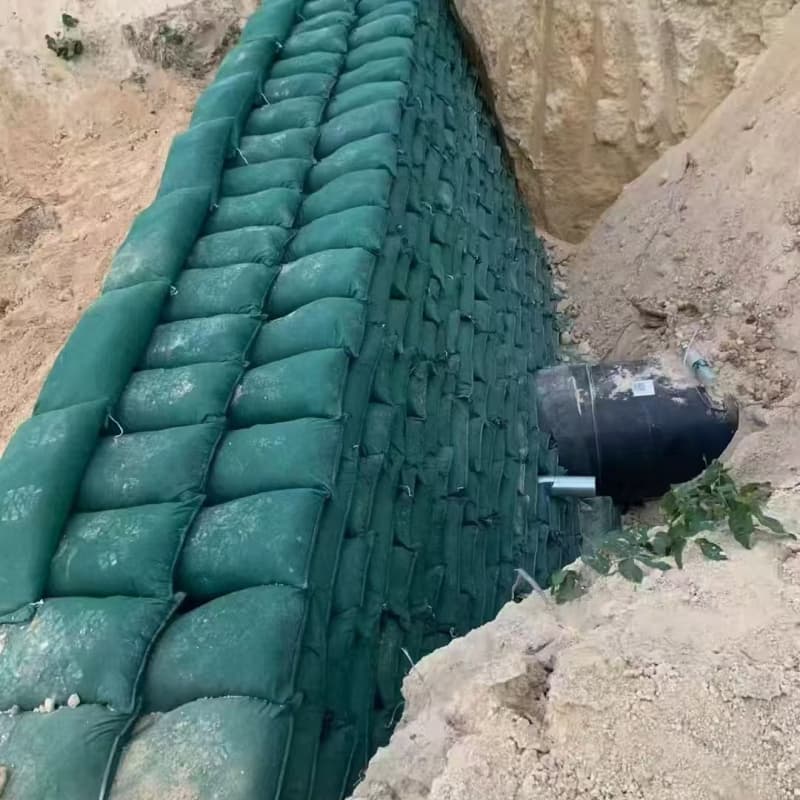
तीसरा पाठ सिस्टम डिज़ाइन किसी एक उत्पाद से कहीं अधिक महत्वपूर्ण है। परियोजना की आवश्यकताओं के आधार पर, एचडीपीई जियोमेम्ब्रेन जियोटेक्सटाइल सुरक्षा परतों, जीसीएल, ड्रेनेज जियोकंपोजिट और ड्रेनेज पाइप के साथ मिलकर काम कर सकती है।
इन सिद्धांतों को कई परियोजनाओं पर लागू किया जा सकता है, जिनमें शामिल हैं:
अल तावीला एल्युमिना रिफाइनरी एक बड़े औद्योगिक कंटेनमेंट सुविधा में एचडीपीई जियोमेम्ब्रेन के अनुप्रयोग के लिए एक मूल्यवान वास्तविक दुनिया का संदर्भ है।
इस परियोजना में 2.0 मिमी एचडीपीई जियोमेम्ब्रेन का उपयोग किया गया, जिसमें चिकनी और बनावट वाली जियोमेम्ब्रेन शामिल हैं, और रिपोर्ट की गई जियोमेम्ब्रेन की दो मात्राओं में कुल मिलाकर 800,000 वर्ग मीटर से अधिक का अनुप्रयोग दर्ज किया गया है।
यह परियोजना मध्य पूर्व के लिए विशेष रूप से प्रासंगिक है क्योंकि इसमें गर्म जलवायु के साथ-साथ अत्यधिक क्षारीय भंडारण वातावरण भी शामिल है।
यूएई और जीसीसी परियोजनाओं के लिए, विश्वसनीय लाइनर प्रदर्शन सामग्री की गुणवत्ता, रासायनिक प्रतिरोध, यूवी और तापमान प्रदर्शन, उपयुक्त सिस्टम डिजाइन, पेशेवर वेल्डिंग और सख्त स्थापना गुणवत्ता नियंत्रण के संयोजन पर निर्भर करता है।
इसलिए, अल तावीलाह परियोजना मध्य पूर्व में खनन संबंधी और औद्योगिक रोकथाम अनुप्रयोगों में एचडीपीई जियोमेम्ब्रेन के उपयोग के लिए एक विश्वसनीय संदर्भ प्रदान करती है।
जी हां। एचडीपीई जियोमेम्ब्रेन का उपयोग खनन संरक्षण अनुप्रयोगों जैसे हीप लीच पैड, टेलिंग सुविधाएं, प्रोसेस पॉन्ड और खनन अपशिष्ट भंडारण क्षेत्रों में व्यापक रूप से किया जाता है। अंतिम विनिर्देश परियोजना की इंजीनियरिंग आवश्यकताओं पर आधारित होना चाहिए।
एचडीपीई जियोमेम्ब्रेन कम पारगम्यता, अच्छा यांत्रिक प्रदर्शन और रासायनिक प्रतिरोध प्रदान करता है, जिससे यह साइट की स्थितियों के लिए उचित रूप से निर्दिष्ट किए जाने पर चुनौतीपूर्ण रोकथाम अनुप्रयोगों के लिए उपयुक्त हो जाता है।
सामान्य विकल्पों में 1.5 मिमी, 2 मिमी और 2.5 मिमी शामिल हैं। अंतिम मोटाई परियोजना की विशिष्ट आवश्यकताओं के अनुरूप होनी चाहिए।
एक संदेश छोड़ें
Scan to Wechat/Whatsapp :



 English
 Français
 Deutsch
 Русский
 Español
 Português
 عربي
عربي Tiếng Việt
 Indonesia
 हिन्दी



 IPv6 नेटवर्क समर्थित